
The Third Degree of Humility.
1. Accepto. I will receive with joy all unpleasant things which I must bear : (a) pain, sickness, heat, cold, food; (b) house, employment, rules, customs; (c) trials of religious life, companions; (d) reprimands, humiliations; (e) anything which is a cross.
2. Volo et desidero. I will wish and desire that these things may happen to me, that so I may resemble my Jesus more.
3. Eligo. Wtih all my might I will strive every day agere contra in omnibus: (a) against my faults; (b) against my my own will; (c) against my ease and comfort; (d) against the desires of the body; (e) against my habit and inclination of performing my duties negligently and without fervour.
COMMENT: Today’s text from Fr Willie comes from his notes on the Long Retreat in the autumn of 1907. This retreat was to have a profound influence on his life; everything that came after, including his sacrifices in the trenches, seem to be fruits of the seeds that were planted on this retreat.
In these notes, Fr Willie reflects on St Ignatius’ meditation on the three types of humility, which is placed during the second week of the Spiritual Exercises. The full text from Ignatius is as follows:
Third Humility. The third is most perfect Humility; namely, when…in order to imitate and be more actually like Christ our Lord, I want to choose poverty with Christ poor rather than riches, opprobium with Christ replete with it rather than honours; and to desire to be rated as worthless and a fool for Christ, Who first was held as such, rather than wise or prudent in this world.
Fr Willie shows us a way in which we can attempt to reach this degree of humility, namely by acting agere contra in omnibus – against myself in all things. This was fundamental in Fr Willie’s spirituality, and it is crucial to remember that the hero of the trenches was not born that way – he made himself strong and courageous, with God’s grace, by acting against himself in small things every day. We do not need to act against ourselves in ALL things – Fr Willie had a special calling that is different from ours. But if we do not act against ourselves in SOME things we become spiritually weak and flabby, we become selfish and unattractive to live with in our families and communities.
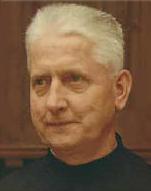
The benefits of this spiritual discipline can help us not only in spiritual terms but in human terms as well. The Jesuit priest, Fr Walter Ciszek, who suffered greatly for the faith in prison camps in Siberia and elsewhere in Russia, reports in his own memoirs that it was his own daily discipline in denying himself that helped him prepare for long years of deprivation, solitude and hard work.
Fr Willie, Fr Ciszek and so many saints show us in their lives that traditional ascetical practices not only train us for the next world, but they also equip us to face challenges in this life as well.
Image: Fr Walter Ciszek SJ
Great advice above. Serving Christ is not for the weak of heart, soul, or will. We can take wonderful examples in the priests here in this passage, as well as all the saints. Jesus shows us a tender toughness whereby we are strong in the truth,in humility, in selflessness, in self-giving, but gentle with others whenever it is possible, or appropriate for the circumstance. Father Doyle and Father Ciszek, pray for us that we may grow in the likeness of Christ in thought, word, and deed.